Partners in Flight
Working Groups Menu
All Working Groups
Boreal
British Columbia
Eastern
Western
DoD
Industry
Science
Partners in Flight
Main Menu
About
What is Partners in Flight?
Governance and History
Support the PIF Network
About This Site
Contact Us
Get Involved!
Close
What We Do
World Migratory Bird Day
Bird Conservation Science
PIF Conservation Plans
PIF Databases
Data Synthesis
Climate Impacts on Landbirds
Close
Engage Conservation Partners
Bridging The Implementation Gap
Partner Success Stories
Close
Support Habitat Delivery
Migratory Bird Joint Ventures
Public Lands Bird Conservation
Private Lands Bird Conservation
Habitat Management Tools
Close
Reduce Bird Mortality
Voluntary Guidelines for Reducing Bird Collisions
Addressing Bird Mortality from Cats
Preventing Bird Deaths via Open Pipes
Close
Build Public Support
Daily Actions for Bird Watchers
Connecting Birds and People
Support Bird Conservation
Urban Bird Treaty
Close
Recognize Excellence
Nominate a Colleague
Previous Partners in Flight Award Winners
Close
Close
Resources
Conservation Resource Library
2016 Landbird Conservation Plan
Foreword—A New Call to Action
Table of Contents
Authors
Close
PIF Databases
Watch List
Species Conservation Profiles
PIF Technical Series
Bird Conservation Investment Strategies
Management Guides
Close
Partners
Meet Our Partners
PIF Working Groups
Migratory Bird Joint Ventures
Industry Partners
Close
International
Aves Compartidas, Responsabilidad Compartida
Full Life-Cycle Conservation Planning
PIF and NABCI Mexico
Central American Species Assessment
Close
News & Events
Conservation News
#BigYearAtHome
More Events
Bird Conservation, By The Numbers
Close
Close
Home
» Archives for Resources
Resource Library
Search
All Habitats
Aerial
Alpine Tundra
Arctic Tundra
Boreal Forest
Coastal and Shoreline
Coastal Wetlands
Desert/Aridlands
Freshwater Wetlands
Generalist
Grasslands
Oceanic
Open Country
Open Freshwater (Lakes)
Pine-Oak Forest
Riparian
Sagebrush
Savannah
Scrublands
Temperate Coniferous Forest
Temperate Deciduous Forest
Tropical (Broadleaf) Evergreen Forest
Tropical Deciduous Forest
Tropical Highland Forest
All Resource Type
Documents: Best/Beneficial Management Practices (BMPs)
Documents: Conservation Assessments & Plans
Documents: Event Programs, Agendas & Reports
Documents: Other
Documents: PIF International Conferences
Documents: PIF Technical Series
Documents: Protocols & Field Methods
Documents: Reports & Briefings
Documents: Scientific Literature
Documents: State of the Birds
Media: Graphs/Diagrams
Media: Illustrations
Media: Logos
Media: Maps
Media: Other
Media: Presentations
Media: Recorded Webinars
“One biologist’s journey through the world of bird conservation; perspectives on the origin of Partners in Flight and its species vulnerability assessment” by Chuck Hunter
“The Scientific Roots of Partners in Flight” by Terry Rich
2019 Partners in Flight Awards Presentation
2019 Partners in Flight Awards Video
2020 Partners in Flight Awards Presentation
2021 Partners in Flight Awards Presentation
2022 PIF Awards Presentation
2023 Partners in Flight Award Presentation
2024 Partners in Flight Awards Presentation
A Field Guide to Southeast Bird Monitoring Protocols and Programs (2012)
A Full Life Cycle Conservation Plan for Bobolink
Alaska Landbird Conservation Plan Version 2.0
Bicknell’s Thrush Focal Species Plan
Birds in a Sagebrush Sea: Managing Sagebrush Habitats for Bird Communities
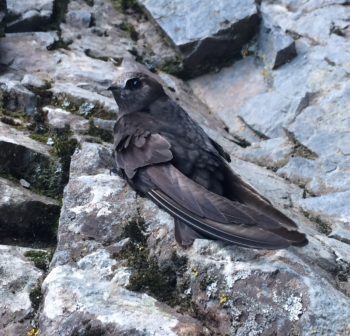
Black Swift Monitoring Materials
California Coniferous Forest Bird Conservation Plan
Canada’s Great Basin Landbird Conservation Plan
Cerulean Warbler Focal Species Plan
Climate Change and the Hummingbirds of the Monteverde Cloud Forest, Costa Rica
Conservation By Design Workshop 2006
Next Page »
© Copyright 2026 Partners in Flight. All Rights Reserved. Designed by
My Digital Nature
.